

When Should You Use a One Time Shredding Service
When Should You Use a One Time Shredding Service
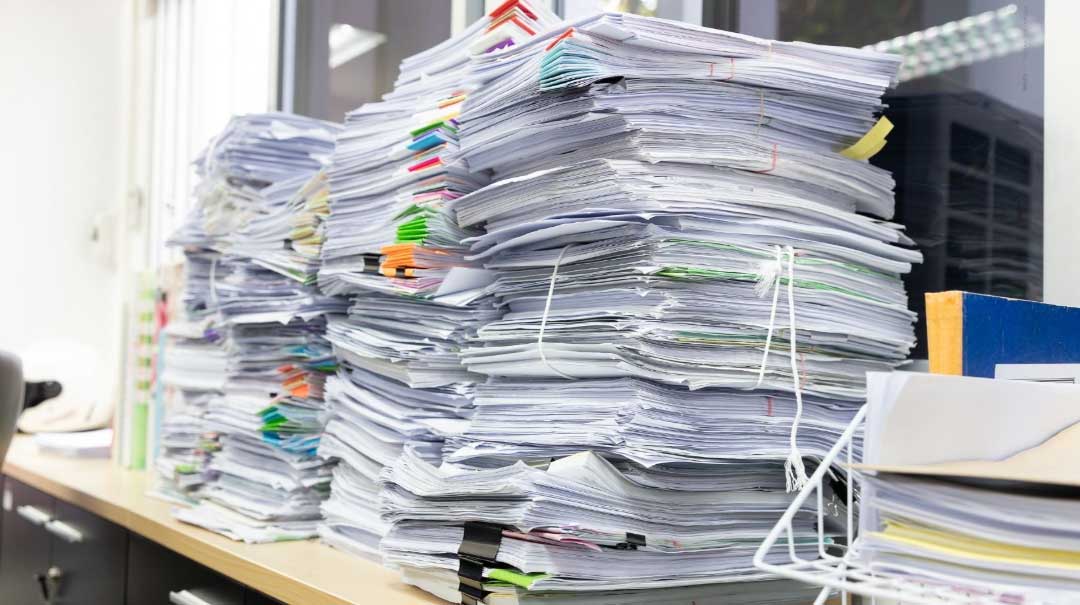
Paper has a way of disappearing into storage until it becomes the storage problem. One file box turns into several, cabinets fill with records no one uses, and the back room slowly becomes difficult to access. When you're dealing with more confidential paper than an office shredder can reasonably handle, a one time shredding service can help you clear it out securely.
This service is designed for an occasional cleanout or large document purge. You arrange a single appointment, your records are securely collected and destroyed, and you receive documentation confirming the work was completed. There's no ongoing commitment, making it a practical choice when your shredding need is tied to a specific event.
When Is One Time Shredding the Right Choice
One time shredding is usually the right option when you have a large amount of confidential paper to destroy but don't need recurring pickups.
Here are some of the most common situations that may call for one time document shredding.
You're Moving to a New Office
An office move has a way of uncovering forgotten paperwork. Files may be stored in individual offices, filing cabinets, closets, or areas that haven't been reviewed in years.
Moving every box to the new location takes time and may increase moving costs. It can also transfer an existing storage problem into the new space. Before packing, review the records and identify anything that has reached the end of its required retention period. Approved documents can then be securely destroyed instead of moved.
Arranging office cleanout shredding before moving day also gives employees more room to pack and reduces the chance that confidential files will be misplaced during the transition.
You're Cleaning Out a Storage Room
Storage rooms often become the default destination for records no one is ready to deal with. Over time, boxes can lose their labels, retention dates pass, and staff no longer know why certain records are still being kept.
A cleanout should begin with a proper review. Separate active files and records that must still be retained from those approved for destruction. Once that work is complete, bulk document shredding can process the accumulated paper far more efficiently than employees feeding it through a small office shredder.
This also helps prevent confidential documents from being placed in regular recycling simply because staff members are trying to clear the room quickly.
Records Have Reached the End of Their Retention Period
Businesses need to retain certain documents for financial, legal, regulatory, or operational reasons. That doesn't mean every record should be kept indefinitely.
Retention requirements vary based on the type of record and the organization handling it. Before destroying anything, consult your record retention policy and confirm that the documents are eligible for disposal. If your organization doesn't have a clear policy, that should be addressed before beginning a large purge.
Once records have been properly approved, a document purge service provides a secure and documented way to destroy them. Many organizations make this part of an annual or periodic records review.
You're Renovating or Consolidating Office Space
Renovations often require filing cabinets, closets, and work areas to be emptied. This creates a useful opportunity to decide what deserves space in the updated office.
The same applies when departments or locations are being combined. Records may be duplicated, outdated, or no longer connected to active work. Reviewing and destroying eligible files can reduce clutter before employees settle into the new layout.
Business closures require similar planning. Records must be divided into those that need to be transferred, retained, or securely destroyed. Confidential information still needs to be protected even when a location is no longer operating.
You Have Completed a Digitization Project
Scanning paper records can free up a considerable amount of physical space, but the original documents shouldn't be destroyed automatically.
First, confirm that every required document was scanned correctly. Digital files should be complete, readable, properly organized, and backed up. You'll also need to determine if any original copies must be retained for legal or business purposes.
After those checks are complete, professional shredding services can destroy the approved paper records in a single project. This keeps sensitive information from remaining in boxes after the digital system is in place.
A Major Project Has Ended
Some projects generate an unusual amount of paperwork. Legal matters, audits, construction projects, research programs, temporary offices, and large client engagements can all leave behind documents that aren't part of the organization's normal workflow.
At the end of the project, review any contractual and retention requirements. Records that are no longer needed can be collected for secure document destruction. This addresses the temporary buildup without setting up a recurring service the organization may not need.
Confidential Documents Have Simply Accumulated
You don't always need a move, renovation, or special project to justify a cleanout. Sometimes documents have accumulated because employees were unsure what to do with them or because other work took priority.
Overflowing cabinets and stacks of boxes are signs that a records review is overdue. A one time service can address the immediate backlog. If paper begins accumulating again soon after the cleanout, it may be worth considering a regular shredding schedule.
What About Personal Records at Home
One time shredding isn't only for businesses. Wisconsin residents may need help disposing of personal records during a move, estate cleanout, retirement, or home office reorganization.
Old tax documents, bank statements, medical paperwork, insurance records, pay stubs, and loan documents can contain information that shouldn't go into household garbage or an open recycling bin. Once you've confirmed that the records no longer need to be kept, professional shredding provides a convenient alternative to spending hours using a home shredder.
Should You Choose One Time or Scheduled Shredding?
The choice between scheduled shredding and one time shredding mainly depends on how often your organization generates confidential paper.
One time service works well for a temporary backlog, annual purge, office move, or special project. Scheduled shredding is designed for workplaces that dispose of sensitive documents as part of their normal operations. Secure containers remain at the business and are collected on a recurring schedule.
Some businesses use both. Scheduled service handles everyday disposal, while occasional purges take care of archived records or an unusual increase in volume.
How to Prepare for Your Shredding Appointment
A little preparation can make the service easier to arrange.
- Confirm which documents have been approved for destruction
- Separate anything that must remain on file
- Estimate the number of boxes or filing cabinets involved
- Tell the provider about stairs, elevators, loading areas, or other access considerations
- Ask which folders, fasteners, and other materials can be included
- Identify any recordkeeping or documentation requirements
Clear Out Stored Documents With IROW
Old records shouldn't keep taking up valuable space after they're no longer required. IROW helps businesses and residents throughout Central and Northern Wisconsin securely dispose of documents during moves, cleanouts, record purges, and other large projects.
As a locally owned and NAID AAA Certified document destruction provider, IROW offers secure handling and a documented chain of custody. If you have boxes, cabinets, or an entire storage room to clear, contact IROW to discuss your project and request a no obligation quote.